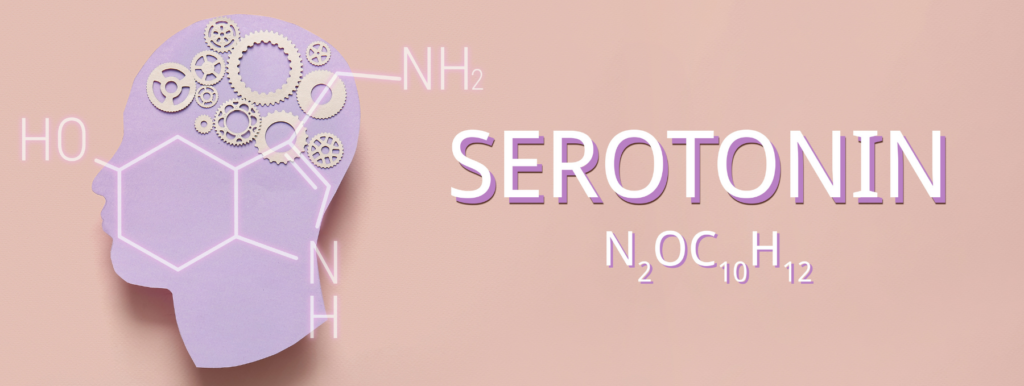
Serotonin is an important chemical messenger that helps regulate mood, sleep, digestion, body temperature and other functions. But excessive serotonin activity can cause a potentially serious condition known as serotonin syndrome. Serotonin syndrome most often occurs when medications or other substances that increase serotonin are started, increased or combined. Recognizing serotonin syndrome symptoms is important because the condition can range from mild to life-threatening. Symptoms can develop quickly, sometimes within minutes to hours after taking a new medication or changing a dose. Knowing the warning signs—and when to seek medical attention—can help prevent serious complications.
What Is Serotonin Syndrome?
 Serotonin syndrome occurs when there is excessive serotonin activity in the nervous system, usually due to medications or combinations of substances that affect serotonin. Although serotonin is essential for normal communication between nerve cells, excessive signaling can disrupt the nervous system and affect muscles, digestion, heart rate, blood pressure and body temperature.
Serotonin syndrome is most commonly associated with medications that increase serotonin, particularly when more than one serotonergic substance is involved. It can also occur after an overdose or, less commonly, when the dose of a single medication is increased. The risk depends on the specific substances, doses and combinations involved.
Common Serotonin Syndrome Symptoms
The symptoms of serotonin syndrome can range from mild to severe and often affect several parts of the body. Early symptoms may include agitation, restlessness, anxiety, confusion, sweating, shivering, tremors, muscle twitching, headache, nausea, vomiting or diarrhea. A person may also develop a rapid heartbeat, dilated pupils or changes in blood pressure. Neuromuscular symptoms can be particularly important clues. These may include muscle twitching or jerking, unusually brisk reflexes, tremors, muscle rigidity or difficulty coordinating movements. Symptoms may appear suddenly and become more pronounced over a relatively short period of time.
Because many of these symptoms can occur with other conditions or medication side effects, the overall pattern matters. The timing is particularly important. Symptoms that develop soon after starting a medication, increasing a dose or combining substances that affect serotonin warrant prompt medical evaluation.
What Causes Serotonin Syndrome?
Serotonin syndrome most often occurs when medications or substances that increase serotonin are combined. Many antidepressants affect serotonin, including selective serotonin reuptake inhibitors (SSRIs) and serotonin-norepinephrine reuptake inhibitors (SNRIs). Other medications can also affect serotonin, including certain migraine medications, pain medications and drugs used for nausea.
The risk can increase when two or more serotonergic substances are taken together. Serotonin syndrome can also occur when someone takes too much of a serotonergic medication or when a medication is increased to a higher dose. In some cases, one medication can interfere with how another is broken down, increasing serotonin-related activity. Certain supplements and recreational substances can also affect serotonin. This is why it is important to tell a healthcare professional about all medications, supplements and other substances being used, including products that do not require a prescription.
How Quickly Do Serotonin Syndrome Symptoms Develop?
One of the important features of serotonin syndrome is its relatively rapid onset. Symptoms may begin within minutes to several hours after taking a medication, increasing a dose or combining substances that affect serotonin. This timing can help distinguish serotonin syndrome from some other medication-related conditions that develop more gradually.
Serotonin syndrome symptoms can progress quickly as well. Someone who initially feels restless or develops mild tremors may later develop more pronounced muscle twitching, confusion, sweating, changes in blood pressure or an elevated temperature. However, not every case becomes severe, and symptoms vary depending on the substances involved and the degree of excess serotonin activity. Because the condition can worsen unexpectedly, new symptoms that appear soon after a medication change should not simply be ignored. If serotonin syndrome is suspected, contact a healthcare professional promptly. Severe symptoms require emergency medical attention.
Severe Serotonin Syndrome Symptoms
 Severe serotonin syndrome can affect multiple systems in the body and become life-threatening. Warning signs include very high body temperature, severe muscle rigidity, significant confusion or delirium, seizures, irregular heartbeat and loss of consciousness. Extreme agitation and dramatic changes in blood pressure or heart rate can also occur.
A very high temperature is particularly concerning because excessive muscle activity can generate significant heat. Severe cases can lead to complications involving the muscles, kidneys, heart and other organs. For this reason, serotonin syndrome should not be treated as simply an uncomfortable medication side effect when symptoms are escalating. Anyone who develops severe symptoms after taking a medication or combination of substances that can increase serotonin should seek emergency medical care. A person experiencing a seizure, loss of consciousness, severe muscle rigidity or very high fever needs immediate evaluation.
How Is Serotonin Syndrome Diagnosed?
There is no single blood test that confirms serotonin syndrome. Healthcare professionals generally make the diagnosis based on symptoms, a physical examination, medication and substance history and the timing of symptom development. Tests may also be performed to evaluate complications or rule out other conditions that can cause similar symptoms. Doctors pay particular attention to neuromuscular findings such as tremors, muscle twitching and unusually brisk reflexes, along with changes in mental status and signs of increased autonomic activity. Knowing which medications and supplements a person has taken—and when—is therefore especially helpful.
Because serotonin syndrome can resemble other medical conditions, professional evaluation is important when symptoms are significant or rapidly progressing. A healthcare professional can determine whether the symptoms are consistent with serotonin syndrome or another condition requiring treatment.
How Is Serotonin Syndrome Treated?
Serotonin syndrome treatment depends on the severity of the condition. When serotonin syndrome is suspected, healthcare professionals generally identify and stop the substances responsible for excessive serotonin activity. People with mild symptoms may need observation and supportive care, while more serious cases may require hospitalization.
Treatment can include medications to control agitation or muscle activity, intravenous fluids and measures to control body temperature and other vital signs. Severe cases may require intensive care to manage complications. Recovery often occurs relatively quickly once the offending substances are stopped and appropriate treatment is provided, although some medications can remain in the body longer than others.
Can Serotonin Syndrome Be Prevented?
 Many cases of serotonin syndrome can be prevented by taking medications exactly as prescribed and making sure healthcare professionals know about all medications and supplements being used. People should not increase, decrease or combine prescription medications without discussing the change with their healthcare provider.
It is also important to check before adding an over-the-counter medication or supplement to an existing treatment plan. Tell your doctor or pharmacist about antidepressants, migraine medications, pain medications, supplements and recreational substances so potential interactions can be identified. Most people who take medications that affect serotonin do not develop serotonin syndrome. The condition is uncommon, but understanding the warning signs is still valuable, particularly because symptoms can develop and progress quickly.
Serotonin Syndrome Symptoms: Knowing the Warning Signs
Serotonin syndrome symptoms can range from restlessness, sweating, tremors and digestive problems to muscle rigidity, confusion, seizures and dangerously high body temperature. The condition most often develops after starting, increasing or combining substances that increase serotonin activity, and symptoms typically appear relatively quickly. The important thing to remember is that serotonin syndrome is more than simply feeling anxious, jittery or experiencing an ordinary medication side effect. A combination of mental, autonomic and neuromuscular symptoms—particularly when they appear soon after a medication change—deserves medical attention. If symptoms are severe or rapidly worsening, especially if there is a high fever, severe muscle rigidity, seizure or loss of consciousness, seek emergency medical care. Recognizing the warning signs can help ensure that serotonin syndrome is treated before it leads to serious complications.