When most people hear the word serotonin, they automatically think of the brain. Serotonin is often described as the “feel-good” chemical because of its connection to mood, sleep, appetite and emotional well-being. But there is another side to the serotonin story: a surprisingly large proportion of the body’s serotonin is associated with the gastrointestinal (GI) tract. There, gut serotonin performs a very different set of jobs, helping to regulate digestion, intestinal movement, nausea, blood flow and communication between the gut and the nervous system. Here, we will discuss what gut serotonin is, how is it different than brain serotonin and what it has to do with the gut-brain connection.
What Is Gut Serotonin?
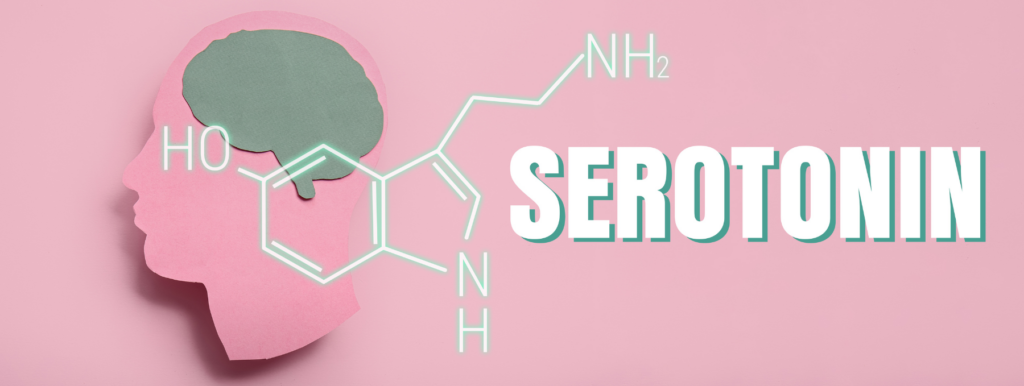
Serotonin, scientifically known as 5-hydroxytryptamine (5-HT), is a chemical messenger that acts as both a neurotransmitter and a signaling molecule throughout the body. Although serotonin is commonly associated with the brain, most of the body’s serotonin is actually produced and stored outside the brain, particularly in the gastrointestinal tract.
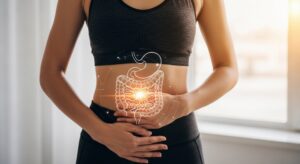 Much of the serotonin in the gut is produced by specialized cells in the intestinal lining called enterochromaffin cells. These cells act somewhat like sensory cells because they can detect changes in the intestinal environment, including the presence of nutrients and mechanical stimulation, and respond by releasing serotonin. Once released, serotonin can influence nearby nerves, intestinal muscles, blood vessels and other cells.
It is important to note that gut serotonin and brain serotonin should not be thought of as one single pool of serotonin. Serotonin produced in the gut does not simply travel into the brain. In fact, the blood-brain barrier largely prevents gut (peripheral) serotonin from entering the central nervous system. This distinction is important when discussing broad topics like boosting serotonin levels in the body.
What Does Serotonin Do in the Gut?
One of the most important functions of gut serotonin is helping to control intestinal motility. After you eat, the digestive system needs to move food through the stomach and intestines in a coordinated way. Serotonin released in response to food and mechanical stimulation can activate signaling pathways that influence the muscles responsible for moving intestinal contents. In simple terms, serotonin helps your digestive tract know when and how to move things along.
Gut serotonin is also involved in fluid secretion and absorption, as well as in communication with sensory nerves. These effects help coordinate the complex process of digestion. Serotonin is particularly important in the body’s response to potentially irritating substances. Increased serotonin signaling can contribute to sensations of nausea and can activate pathways involved in vomiting and diarrhea. Although these symptoms are unpleasant, they can be part of the body’s protective response to something it perceives as harmful. This is one reason serotonin signaling is relevant to medications used to treat nausea, particularly in situations such as chemotherapy.
Serotonin and the Gut-Brain Axis
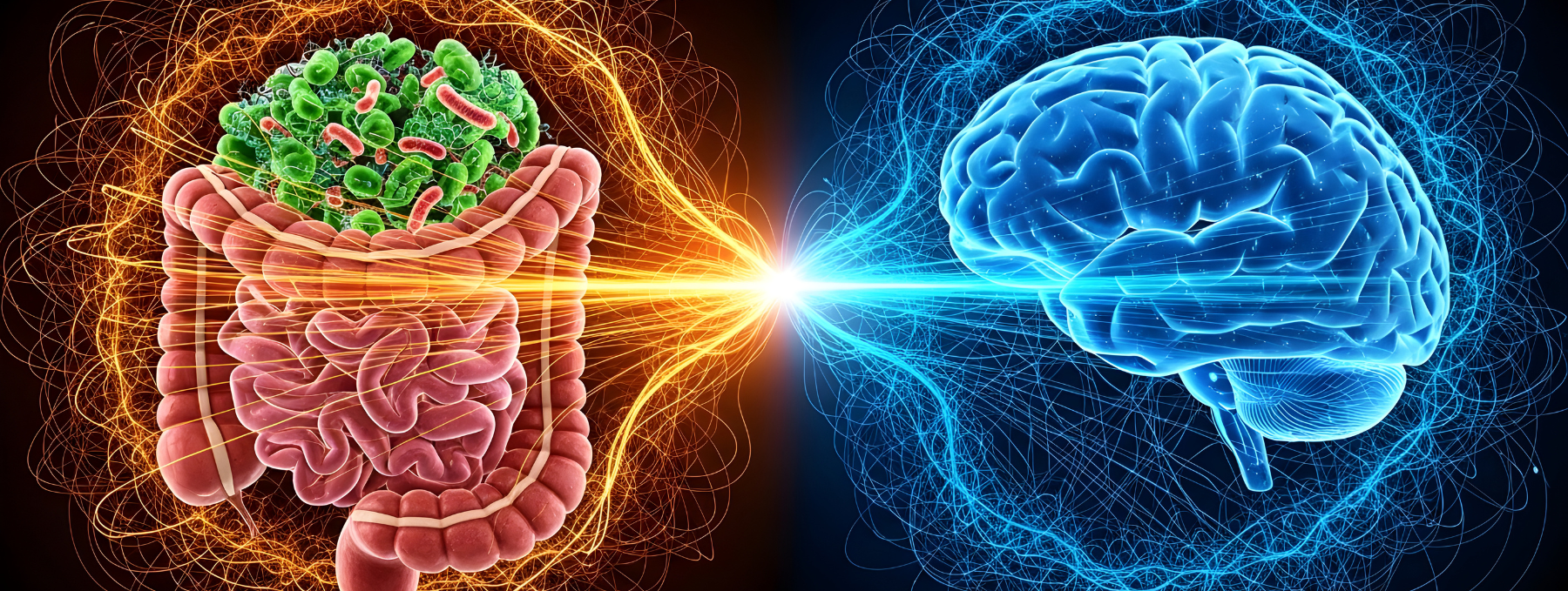
The gut and brain are in constant communication. Scientists often refer to this two-way communication network as the gut-brain axis. The gut can send signals to the brain through several pathways, including the nervous system, hormones, immune signals and molecules produced by gut microbes. Serotonin is one piece of this complicated network. For example, serotonin released by cells in the gut can activate sensory nerves that carry information toward the brain. Meanwhile, the brain and autonomic nervous system can influence gastrointestinal activity. This helps explain why emotions can affect digestion.
Have you ever experienced “butterflies” before an important event? Or noticed that stress changes your appetite or sends you running to the bathroom? Those experiences are not imaginary. The nervous system and gastrointestinal tract are closely connected, and changes in one can influence the other. However, it’s important not to oversimplify this relationship. Saying that “gut serotonin controls your mood” would be misleading. The gut-brain axis involves many different systems, and serotonin is only one component.
Is Gut Serotonin the Same as Brain Serotonin?
Gut serotonin is NOT the same as brain serotonin. This is one of the most important distinctions to understand. Serotonin in the central nervous system acts as a neurotransmitter and contributes to processes involving mood, sleep, appetite, cognition and other functions. Serotonin in the peripheral body, including the gut, performs many different functions.
The two systems are connected indirectly, but as mentioned earlier, serotonin itself generally does not cross the blood-brain barrier freely. Therefore, increasing serotonin in the gut does not necessarily mean increasing serotonin levels in the brain. This also means that claims that eating a certain food can immediately increase brain serotonin often require more nuance than initially evident.
Where Does Gut Serotonin Come From?
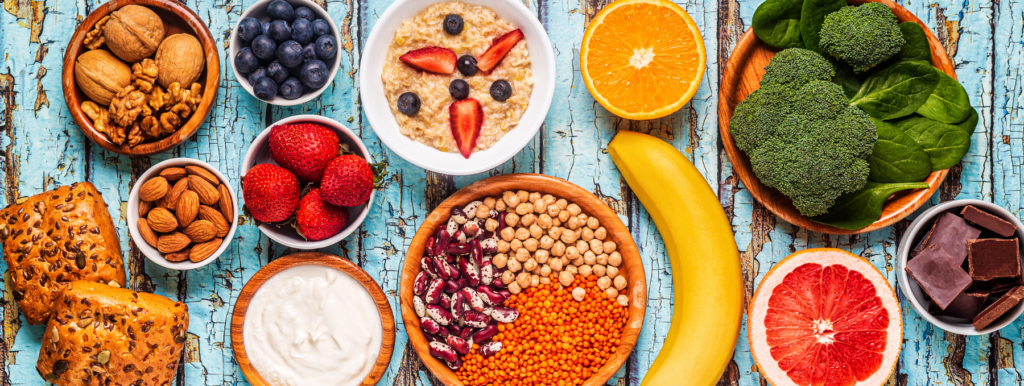
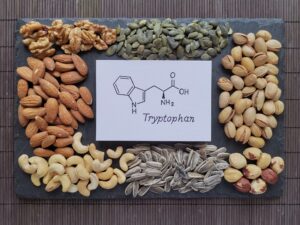 Your body makes serotonin from the amino acid tryptophan, which is obtained from food. Tryptophan is found in a variety of protein-containing foods, including meat, fish, eggs, dairy products, soy, nuts, seeds and legumes. However, eating tryptophan-rich foods does not mean that all of that tryptophan will be converted directly into serotonin. Tryptophan is used for several biological processes, and its availability is influenced by metabolism and competition with other amino acids. The body carefully regulates serotonin production rather than simply converting every available molecule of tryptophan into serotonin.
The gut microbiome may also influence tryptophan metabolism. Different intestinal microbes can transform tryptophan into a variety of metabolites, some of which can affect intestinal and immune signaling. This is an active area of research, and scientists are still working to understand exactly how diet, microbes, serotonin and the nervous system interact.
Can Gut Bacteria Affect Serotonin?
The relationship between gut bacteria and serotonin is one of the most fascinating areas of gut-serotonin research. The trillions of microorganisms living in the digestive tract—the gut microbiome—can interact with intestinal cells and influence the chemical environment of the gut. Research has found evidence that certain gut microbes can influence serotonin production or signaling, including through interactions with enterochromaffin cells and through the metabolism of dietary compounds such as tryptophan.
This has led researchers to investigate whether changes in the microbiome could influence gastrointestinal function and potentially contribute to conditions involving both the gut and nervous system. However, this field is still developing. It’s tempting to interpret microbiome research as proof that a particular probiotic or food will “increase serotonin” and improve mood. The reality is much more complicated. Findings from laboratory and animal studies do not automatically translate into predictable effects in humans.
What Happens When Serotonin Signaling Is Disrupted?
Because serotonin is involved in intestinal movement and sensation, changes in serotonin signaling can affect gastrointestinal function. Too much or too little signaling in particular pathways may contribute to symptoms such as altered bowel movements, nausea, abdominal discomfort or changes in gut sensitivity.
Researchers have studied serotonin pathways in connection with several gastrointestinal conditions, including irritable bowel syndrome (IBS) and other disorders of gut-brain interaction. Some medications work partly by targeting serotonin receptors in the gastrointestinal tract. For example, certain drugs that act on specific serotonin receptors can alter intestinal motility or reduce nausea. This illustrates an important point: serotonin isn’t inherently good or bad. Its effects depend on where it is, which receptor it activates, how much is present and what other signaling systems are involved.
Can You Naturally Increase Gut Serotonin?
A healthy diet can provide the nutrients needed for normal serotonin metabolism, including tryptophan, but deliberately trying to maximize serotonin production is not necessarily beneficial. Instead, supporting overall gastrointestinal health is a more sensible goal. This generally means eating a varied diet rich in fiber and minimally processed plant foods, consuming adequate protein, staying hydrated, getting regular physical activity and maintaining healthy sleep habits. These behaviors support many aspects of metabolic, neurological and gastrointestinal health—not just serotonin.
It’s also worth being cautious with supplements marketed as serotonin boosters. Substances that affect serotonin signaling can have real biological effects and may interact with certain medications. More serotonin is not automatically better, so it is important to talk to your health care provider about supplementation, especially if you are taking other medications or supplements that affect serotonin signaling.
The Bigger Picture
 Gut serotonin is a fascinating example of how interconnected the human body really is. The same molecule that functions as a neurotransmitter in the brain also plays major roles in the digestive system. In the gut, serotonin helps coordinate movement, secretion, sensation and communication with the nervous system. At the same time, the gut is not simply a “second brain,” and gut serotonin is not a magic switch for happiness. The relationship between digestion, serotonin, the microbiome and mental health is complex and involves numerous biological pathways.
Scientists continue to investigate how these systems interact and whether targeting gut serotonin could eventually lead to better treatments for gastrointestinal and gut-brain disorders. For now, the most useful takeaway is simple: your gut and brain are deeply connected, but the story is much more complicated than simply thinking that serotonin equals happiness. Understanding gut serotonin gives us a glimpse into that complexity—and shows why researchers are increasingly interested in the gut as an important part of the bigger picture of human health.