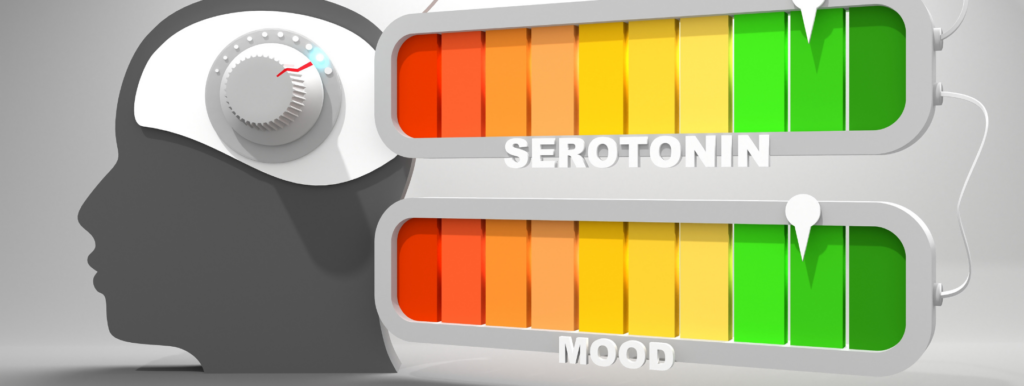
Serotonin is widely recognized for its role in mood regulation, but its influence extends to sleep, appetite, memory and numerous other biological functions. For serotonin to perform these functions effectively, the body must carefully regulate how it is released, how long it remains active and when its signals end. One important component of this process is a specialized protein known as the serotonin transporter.
The serotonin transporter helps control communication between nerve cells by removing serotonin from the spaces where chemical signaling occurs. It also plays an important role in how certain antidepressant medications work, making it a major focus of neurological and psychiatric research. Understanding this protein provides insight into how the brain regulates serotonin activity and why its effects are more complex than simply having too much or too little serotonin.
What Is the Serotonin Transporter?
 The serotonin transporter, commonly abbreviated SERT, is a protein located in the membranes of certain cells, including serotonin-producing neurons. Its primary function is to transport serotonin from outside a cell back into its interior. This process, known as serotonin reuptake, helps regulate the availability of serotonin for chemical signaling.
SERT belongs to a family of proteins that transport neurotransmitters across cell membranes. It is produced according to instructions from a gene called SLC6A4, which has been extensively studied for its possible involvement in neurological and psychiatric conditions. Although the transporter is especially important in the brain, it also functions in other tissues, including the gastrointestinal system and blood platelets.
How Does Serotonin Reuptake Work?
Communication between nerve cells frequently occurs across a tiny space called a synapse. When a serotonin-producing neuron becomes active, it releases serotonin into this space, where the neurotransmitter can bind to receptors on nearby cells. These receptors respond to serotonin by initiating or modifying cellular activity.
Once serotonin has been released, its signaling must be regulated to prevent uncontrolled or prolonged stimulation. The serotonin transporter moves serotonin back into the releasing neuron, reducing its availability outside the cell. Some of the recovered serotonin can be repackaged for future release, while another portion may be broken down by enzymes inside the neuron.
Why Serotonin Transporters Matter for Brain Function
The serotonin transporter helps determine how long serotonin remains available to interact with receptors. By regulating this availability, SERT influences the timing and intensity of serotonin signaling within neural networks. These networks participate in functions such as emotional regulation, sleep, attention and responses to stress.
The relationship between transporter activity and brain function is not straightforward, however, because serotonin acts through numerous receptor types. Different receptors can produce different effects depending on their location and the cells involved. Changes in serotonin reuptake may therefore influence several biological processes simultaneously rather than producing one predictable response.
How Antidepressants Affect the Serotonin Transporter
One reason the serotonin transporter has received considerable scientific attention is its role in antidepressant treatment. Selective serotonin reuptake inhibitors, or SSRIs, are medications commonly prescribed for depression and certain anxiety disorders. Examples include fluoxetine, sertraline and escitalopram, which work primarily by inhibiting serotonin transporters.
When SSRIs block SERT, less serotonin is transported back into the releasing neuron, increasing its availability outside nerve cells. This effect begins relatively quickly, but improvements in depressive symptoms often take several weeks to develop. Researchers believe that longer-term changes in neural signaling and adaptation contribute to treatment responses, demonstrating that antidepressant effects involve more than an immediate increase in serotonin availability.
Does Serotonin Transporter Activity Affect Mood?
 Because SERT regulates serotonin signaling, scientists have investigated whether differences in transporter function contribute to depression, anxiety and other mental health conditions. Some studies have examined variations in the SLC6A4 gene, which may influence how much transporter protein cells produce. Researchers have also investigated whether differences in transporter availability are associated with changes in emotional processing and responses to stress.
Findings have been mixed, and transporter activity alone cannot explain why someone develops a mental health condition. Depression involves numerous interacting biological, psychological and environmental factors, and no single SLC6A4 variation reliably predicts its development. Similarly, the effectiveness of SSRIs does not establish that depression is caused by a serotonin deficiency or excessive transporter activity.
Serotonin Transporters Outside the Brain
Although serotonin is often discussed as a brain chemical, most of the body’s serotonin is produced in the gastrointestinal tract. Within the digestive system, serotonin participates in regulating intestinal movement, secretion and communication with local nerve networks. Serotonin transporters help regulate its availability in these tissues, contributing to normal gastrointestinal signaling.
SERT also performs an important function in blood platelets, which absorb serotonin from circulation and store it for later release. Platelets do not manufacture substantial amounts of serotonin themselves, making transporter-mediated uptake particularly important. When platelets become activated, stored serotonin can be released and contribute to processes involving blood vessels and clot formation.
What Happens When Serotonin Transporter Activity Changes?
Changes in serotonin transporter function can alter how serotonin is distributed and regulated within different tissues. In the brain, reduced reuptake generally increases extracellular serotonin availability, although the resulting effects depend on receptor activity and longer-term biological adaptations. Increased transporter activity may remove serotonin more rapidly from extracellular spaces, but this does not necessarily translate into a specific mood or behavioral outcome.
Outside the brain, changes in SERT activity may influence gastrointestinal signaling and platelet serotonin storage. For example, medications that inhibit serotonin reuptake can reduce the amount of serotonin stored in platelets and may increase bleeding risk, particularly when combined with certain other medications. These effects illustrate why altering serotonin transport can have consequences beyond the nervous system.
Understanding the Serotonin Transporter’s Role in Health
 The serotonin transporter is an essential component of the body’s serotonin signaling system. By removing serotonin from extracellular spaces and returning it to cells, SERT helps regulate the duration and availability of this important chemical messenger. Its activity contributes to neurological communication while also supporting functions in the digestive and circulatory systems.
Research into the serotonin transporter has improved scientific understanding of neurotransmitter regulation and contributed to the development of widely used medications. At the same time, transporter function represents only one part of a much larger biological system involving serotonin production, receptors and metabolism. Understanding these interconnected processes provides a more accurate picture of how serotonin influences health throughout the body.