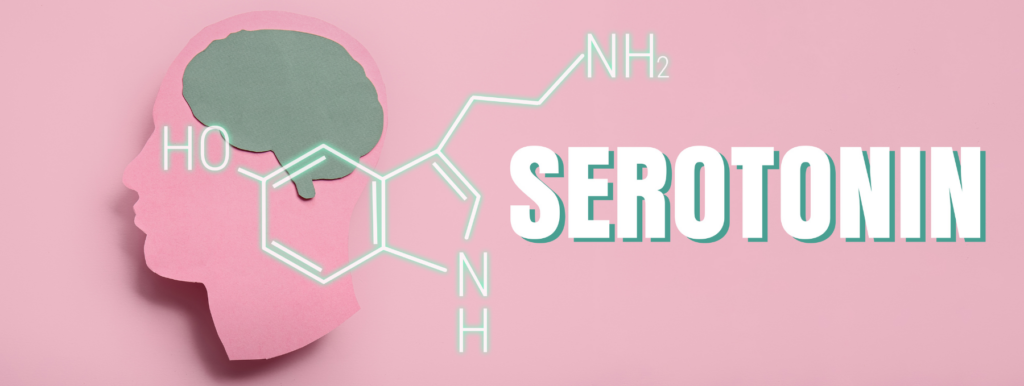

Feeling tired occasionally is a normal part of life, particularly after a demanding day or a poor night’s sleep. Persistent fatigue, however, can be more difficult to explain, especially when someone feels exhausted despite getting adequate rest. Because serotonin helps regulate sleep, mood and alertness, questions about the relationship between low serotonin and fatigue are increasingly common. Serotonin is involved in several biological processes that influence how energetic a person feels. Yet fatigue is a complex symptom with many possible causes, and researchers have not established that low serotonin is a common or direct cause. Understanding serotonin’s role may help explain some connections between brain chemistry and tiredness while highlighting other factors worth considering.
Understanding the Difference Between Fatigue and Sleepiness
 Fatigue is generally described as a persistent feeling of exhaustion, reduced energy or difficulty sustaining physical and mental activity. Unlike ordinary sleepiness, fatigue does not always improve after sleeping or resting. Someone experiencing fatigue may struggle with concentration, motivation or completing everyday tasks even when they do not feel particularly sleepy.
Sleepiness, on the other hand, refers to the tendency to fall asleep and is often associated with insufficient sleep or disrupted sleep quality. Although fatigue and sleepiness frequently overlap, they are not identical experiences. Distinguishing between them can help identify whether the underlying problem involves sleep regulation, physical health, psychological factors or a combination of influences.
The Link Between Low Serotonin and Fatigue
Serotonin is a neurotransmitter that helps nerve cells communicate and contributes to regulating mood, sleep, attention and other neurological functions. Serotonin-producing neurons in the brainstem communicate with regions involved in wakefulness and alertness. Research shows that many of these neurons are most active during waking hours and become less active during sleep.
These findings suggest that serotonin signaling helps regulate the brain’s sleep-wake systems, but they do not establish that insufficient serotonin causes persistent fatigue. Different serotonin receptors can produce different effects, and serotonin interacts with other neurotransmitters involved in maintaining alertness. Consequently, the relationship between low serotonin and fatigue cannot be reduced to a simple chemical deficiency.
How Serotonin Influences Sleep Quality
One possible connection between serotonin and fatigue involves its participation in sleep regulation. Serotonin helps coordinate neural pathways involved in wakefulness and rapid eye movement (REM) sleep. It also serves as a biochemical precursor to melatonin, a hormone that helps signal nighttime and regulate the body’s internal biological clock.
Disruptions in sleep timing or quality can contribute to daytime exhaustion, even when someone spends enough hours in bed. Irregular sleep schedules, insomnia and sleep apnea are among the factors that may interfere with restorative sleep. Although serotonin participates in sleep regulation, these disturbances do not necessarily indicate low serotonin levels, and their underlying causes may require separate evaluation.
Serotonin, Mood and Mental Fatigue
Fatigue is also common among people experiencing depression, anxiety and prolonged psychological stress. These conditions can affect motivation, concentration, sleep quality and the ability to manage everyday responsibilities. Serotonin participates in brain networks involved in mood and emotional regulation, making it one of several neurotransmitters studied in relation to these symptoms.
Nevertheless, depression is not simply caused by insufficient serotonin, and fatigue associated with depression cannot automatically be attributed to a neurotransmitter imbalance. Psychological distress, changes in sleep, altered activity levels and other biological processes may contribute to exhaustion. Recognizing these overlapping influences is important when evaluating persistent mental or physical fatigue.
Can Serotonin Levels Be Tested?
 People experiencing ongoing tiredness may wonder whether a blood test could reveal a serotonin deficiency. Although serotonin can be measured in blood or other biological samples, these measurements do not reliably indicate serotonin activity in the brain. Most of the body’s serotonin is produced outside the central nervous system, particularly in the gastrointestinal tract.
There is currently no widely accepted clinical test that can diagnose low brain serotonin as the cause of fatigue. Symptoms such as tiredness, poor concentration and reduced motivation are too nonspecific to establish a serotonin deficiency. Healthcare professionals generally evaluate fatigue by considering medical history, sleep patterns, medications and other possible health conditions.
Other Common Causes of Persistent Fatigue
Fatigue can result from numerous conditions unrelated to serotonin signaling. Iron deficiency, anemia, thyroid disorders, diabetes, chronic infections and sleep disorders are among the possible medical explanations. Certain medications, including some antidepressants and antihistamines, may also contribute to tiredness or daytime drowsiness.
Lifestyle factors can play an important role as well. Inadequate sleep, poor nutrition, excessive alcohol consumption, prolonged stress and insufficient physical activity may all affect energy levels. Because several factors can occur simultaneously, identifying the underlying cause often requires looking beyond any single symptom or neurotransmitter.
When to Seek Medical Advice for Fatigue
Occasional tiredness usually improves with adequate rest and recovery, but persistent or unexplained fatigue deserves attention. If exhaustion continues for several weeks, interferes with daily activities or occurs alongside other concerning symptoms, a healthcare professional can help investigate possible causes. Depending on the circumstances, evaluation may include blood tests, medication reviews or assessment for sleep disorders.
Tracking fatigue patterns may also provide useful information. Recording sleep duration, activity levels, medications and the times when exhaustion is most noticeable can help identify possible contributing factors. This information may assist healthcare professionals in determining whether fatigue is related to sleep, a medical condition or another underlying issue.
Supporting Healthy Energy and Sleep Regulation
 Although no lifestyle strategy can reliably correct a presumed low brain serotonin level, several habits can support the biological systems involved in energy regulation. Maintaining consistent sleep and wake times, obtaining appropriate daylight exposure and engaging in regular physical activity can promote healthier sleep and daytime functioning. A balanced diet also provides nutrients needed for normal neurological and metabolic processes.
These strategies may improve overall well-being, but they should not be viewed as treatments for a diagnosed serotonin deficiency. Persistent fatigue may require targeted medical care, particularly when an underlying condition is present. Addressing the actual cause is generally more effective than attempting to increase serotonin without evidence that it is responsible.
Understanding Low Serotonin and Fatigue
The relationship between low serotonin and fatigue reflects the complicated ways brain chemistry influences everyday functioning. Serotonin participates in regulating sleep, wakefulness and mood, all of which can affect how energetic or exhausted someone feels. However, current research does not support identifying low serotonin as a general explanation for persistent fatigue.
Rather than assuming that tiredness results from a chemical imbalance, it is important to consider sleep quality, physical health, emotional well-being and lifestyle factors. Understanding these influences can help individuals recognize when fatigue deserves further investigation. A comprehensive approach offers the best opportunity to identify contributing factors and improve energy levels over time.