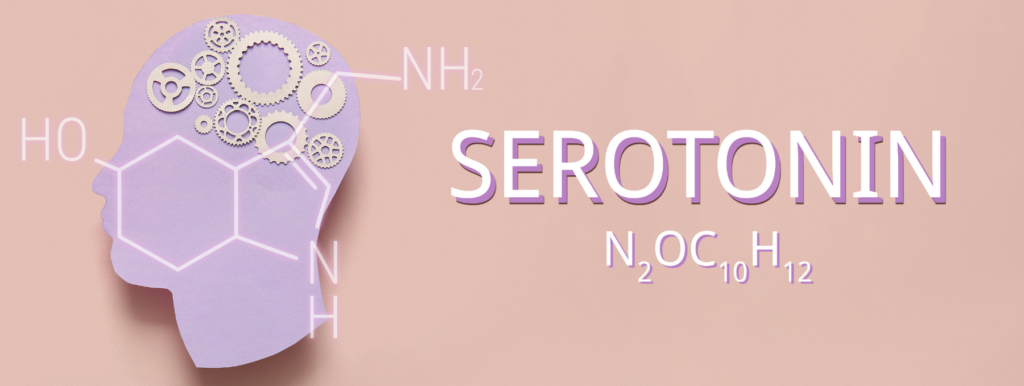

Feeling energetic involves more than getting enough sleep or eating the right foods. The brain relies on chemical messengers to regulate alertness, motivation and the ability to remain active throughout the day. One of these messengers is serotonin, a neurotransmitter commonly associated with mood but involved in several other important functions. The relationship between serotonin and energy levels is more complicated than simply having too much or too little of this chemical. Serotonin participates in regulating sleep, wakefulness and motivation, all of which influence how energetic or fatigued a person feels. Understanding these connections can help explain why energy levels fluctuate throughout the day.
 What Is Serotonin and How Does It Work?
Serotonin, also known as 5-hydroxytryptamine or 5-HT, is a neurotransmitter that helps nerve cells communicate. It participates in regulating mood, appetite, sleep, pain perception and cognitive functioning. Its effects depend on the brain regions and receptors involved.
Although serotonin is often discussed in relation to the brain, approximately 90% of the body’s serotonin is produced in the gastrointestinal tract. Serotonin in the digestive system helps regulate intestinal activity, while serotonin produced within the brain influences neurological processes. These systems are largely separate because serotonin circulating in the body cannot readily cross the blood-brain barrier.
The Connection Between Serotonin and Energy Levels
Serotonin within the brain influences brain systems involved in maintaining wakefulness and responding to environmental demands. Serotonin-producing neurons are located primarily in the brainstem, where they communicate with regions involved in attention and alertness. Their activity changes throughout the sleep-wake cycle.
Many serotonin-producing neurons are more active during wakefulness, reduce their activity during non-rapid eye movement sleep and become relatively quiet during rapid eye movement (REM) sleep. This pattern suggests that serotonin participates in regulating wakefulness. Its effects are complex because different serotonin receptors can either promote or inhibit particular aspects of arousal.
Serotonin’s Role in Sleep and Daytime Fatigue
One important connection between serotonin and energy levels involves sleep regulation. Serotonin participates in brain networks that coordinate transitions between sleeping and waking. It also serves as a biochemical precursor to melatonin, a hormone involved in regulating biological nighttime.
The brain converts serotonin into melatonin through a series of biochemical reactions, primarily within the pineal gland. Although these chemicals are closely connected, their functions are not interchangeable. Sleep quality depends on many factors, including circadian timing, sleep duration, stress and underlying health conditions.
 How Serotonin Influences Motivation and Mental Energy
Physical tiredness and mental fatigue are not always the same experience. Someone may feel physically rested yet struggle to concentrate, initiate tasks or maintain motivation. These experiences involve several brain systems that regulate attention, reward and decision-making.
Serotonin interacts with dopamine and other neurotransmitters involved in motivation and behavioral flexibility. These interactions may influence how the brain evaluates challenges, responds to stress and determines whether an activity is worth pursuing. Reduced motivation does not necessarily indicate low serotonin, and increasing serotonin activity does not automatically improve mental energy.
Can Low Serotonin Cause Fatigue?
Low serotonin is frequently mentioned as a possible explanation for tiredness, poor motivation and reduced alertness. However, researchers have not established that fatigue generally results from insufficient serotonin in the brain. There is also no widely accepted clinical test that can diagnose low brain serotonin based on common symptoms or a blood sample.
Persistent fatigue can have numerous causes, including inadequate sleep, sleep apnea, anemia, thyroid disorders, medication effects and depression. These conditions can produce overlapping symptoms, making it difficult to identify the underlying problem without further evaluation. Ongoing or unexplained fatigue should therefore not automatically be attributed to a serotonin imbalance.
Does Increasing Serotonin Improve Energy?
Because serotonin participates in wakefulness and motivation, it may seem reasonable to assume that increasing serotonin would improve energy. In reality, serotonin signaling is complex, and increasing its activity does not produce a predictable increase in alertness. Different receptors and neural pathways can produce different effects.
For example, selective serotonin reuptake inhibitors (SSRIs) increase serotonin signaling and are commonly prescribed for depression and anxiety. Some people experience improved energy as their underlying symptoms improve, while others report fatigue or sleepiness as medication side effects. These differences demonstrate that more serotonin does not necessarily mean more energy.
Everyday Habits That Support Healthy Energy Regulation
Although there is no proven lifestyle method for precisely controlling brain serotonin levels, several habits support alertness, sleep and overall well-being. Regular physical activity can improve sleep quality, mood and daytime energy while influencing multiple neurotransmitter systems. Consistent sleep and wake times also help stabilize circadian rhythms.
Balanced nutrition and appropriate daylight exposure are additional considerations. Serotonin is synthesized from tryptophan, an essential amino acid found in foods such as poultry, eggs, dairy products, soy and legumes. Eating more tryptophan does not necessarily increase brain serotonin or eliminate fatigue, however, because serotonin production depends on several biological processes.
 Understanding the Relationship Between Serotonin and Energy Levels
The connection between serotonin and energy levels illustrates how brain chemistry influences everyday functioning. Serotonin participates in sleep regulation, wakefulness, motivation and cognitive processes that can affect how energetic a person feels. Its influence depends on interactions with other neurotransmitters and biological systems.
At the same time, serotonin does not directly produce the energy that powers the body’s cells, and fatigue cannot be explained by a simple neurotransmitter deficiency. Energy levels reflect the combined influence of sleep, metabolism, physical health and psychological well-being. Supporting healthy sleep, regular activity and overall health offers a more practical approach to maintaining consistent energy throughout the day.