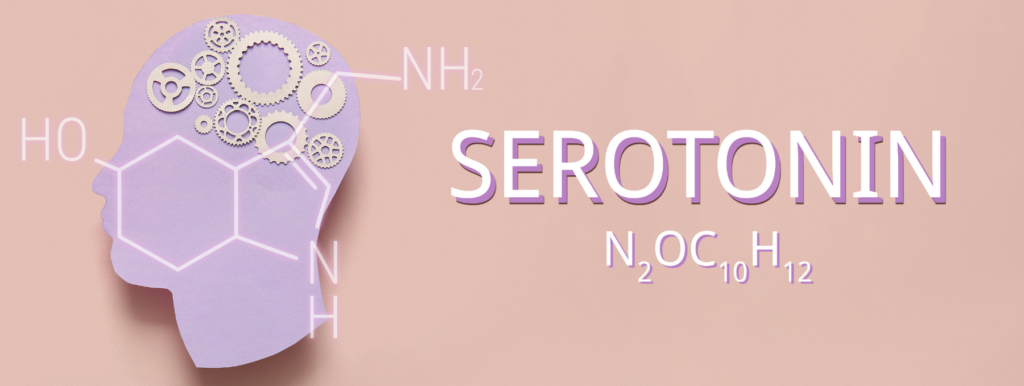
From Thanksgiving dinners in the United States to Christmas celebrations across Europe, festive meals bring people together to enjoy traditional foods, conversation and companionship. Whether the centerpiece is roast turkey, goose, duck or another regional specialty, these meals are often associated with feelings of warmth, comfort, contentment and even sleepiness. But could serotonin, a chemical messenger involved in mood, appetite and sleep, help explain some of these experiences?
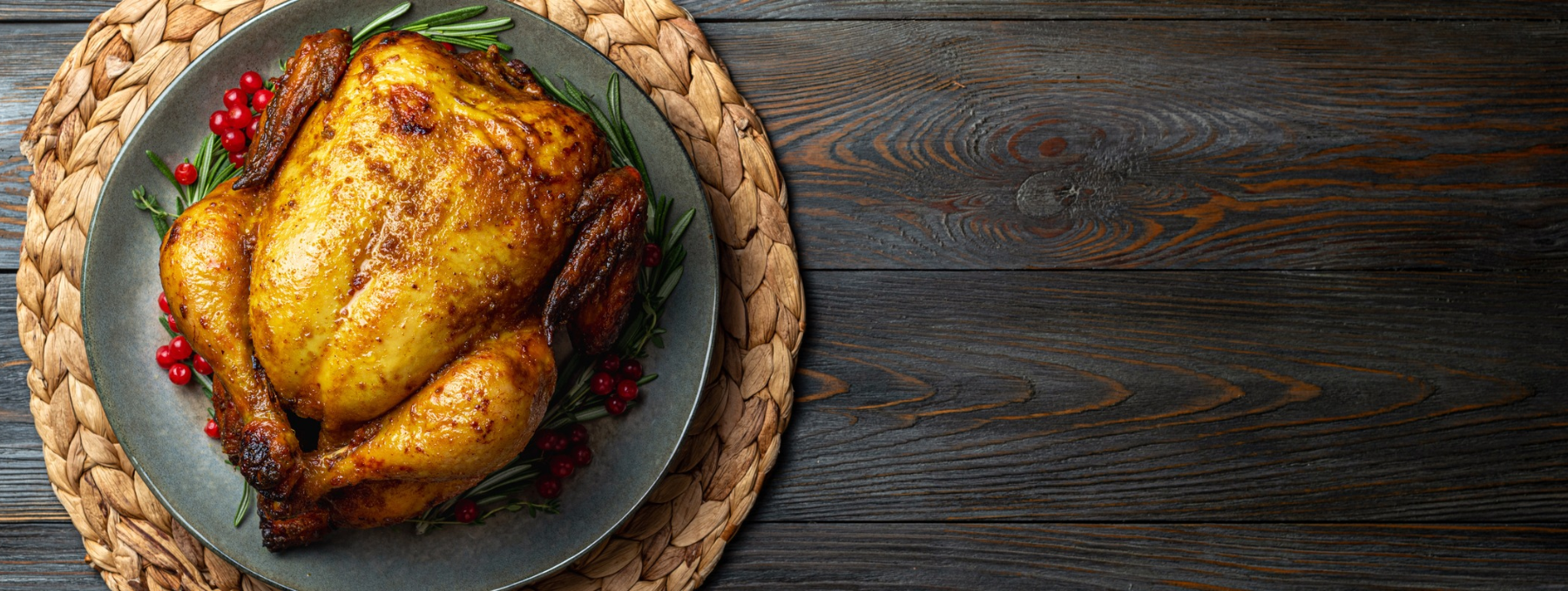
Turkey is particularly well known for containing tryptophan, an essential amino acid the body uses to produce serotonin. But does turkey increase serotonin, and could other traditional holiday foods influence the availability of this important neurotransmitter? The relationship between festive meals and brain chemistry is more complex than many people realize, involving not only the foods we eat but also how our bodies process nutrients and respond to our surroundings.
Turkey, Tryptophan and Serotonin Production
 Turkey is a natural source of tryptophan, one of nine essential amino acids that must be obtained through the diet. Although tryptophan is primarily used to build proteins, it also serves as the biochemical precursor to serotonin. The body converts tryptophan into 5-hydroxytryptophan (5-HTP), which is subsequently converted into serotonin through another enzymatic reaction.
Serotonin participates in numerous physiological processes, including mood regulation, digestion, appetite and sleep. It also serves as a precursor to melatonin, a hormone that helps regulate the body’s sleep-wake cycle. This biological relationship has contributed to the widespread belief that eating turkey promotes relaxation and sleepiness. However, consuming more tryptophan does not necessarily result in a corresponding increase in brain serotonin. Before tryptophan can contribute to serotonin production in the brain, it must cross the blood-brain barrier, where it competes with several other amino acids for access.
Does Turkey Increase Serotonin in the Brain?
Although turkey supplies the raw material needed for serotonin production, it also contains other amino acids, including leucine, isoleucine, valine and tyrosine. These amino acids share a transport system with tryptophan that allows them to enter the brain. Consequently, the amount of tryptophan reaching the brain depends partly on its concentration relative to these competing amino acids.
Research into dietary protein and serotonin production has demonstrated that protein-rich meals do not necessarily increase brain serotonin, even when they raise circulating tryptophan levels. The accompanying rise in competing amino acids can limit tryptophan’s availability to the brain. This does not diminish turkey’s nutritional value or its contribution to maintaining healthy physiological function. Rather, it illustrates why the relationship between dietary tryptophan and serotonin is not as straightforward as it might initially appear.
Other Traditional Holiday Foods That Contain Tryptophan
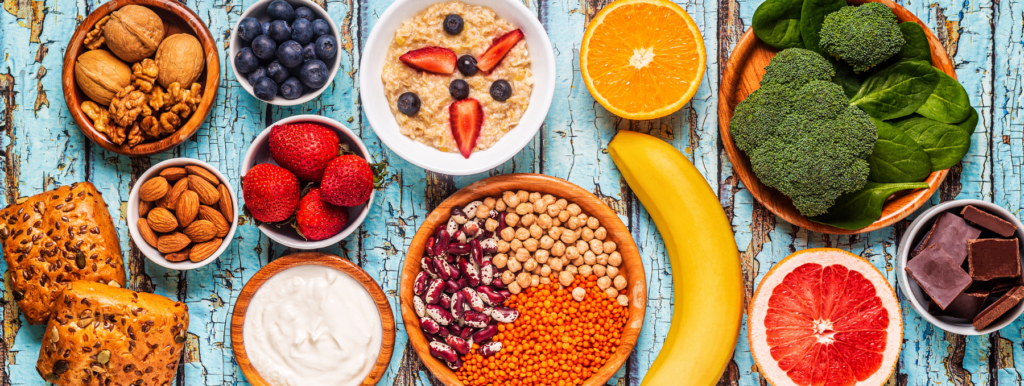
Turkey is far from the only festive food that provides tryptophan. Many traditional dishes enjoyed throughout Europe, North America and other parts of the world contain this essential amino acid, including:
- roast goose, duck and chicken
- salmon, herring and other fish
- beef and pork
- eggs and dairy products
- cheese, including traditional European varieties
- walnuts, almonds and pumpkin seeds
- lentils, beans and other legumes
Many European holiday traditions feature fish, roasted meats, cheese platters and desserts containing nuts or dairy. These foods can all contribute to dietary tryptophan intake, demonstrating that supporting normal serotonin production is not dependent on eating any single food.
How Carbohydrates Influence Tryptophan Availability
Traditional festive meals frequently include carbohydrate-rich accompaniments such as roasted potatoes, stuffing, bread rolls, dumplings and seasonal desserts. Interestingly, carbohydrates may influence tryptophan availability even though they generally contain relatively little of the amino acid itself.  When carbohydrates are consumed, the pancreas releases insulin to help regulate blood glucose. Insulin also promotes the uptake of several amino acids into muscle tissue, potentially reducing the competition tryptophan encounters when entering the brain. Under certain dietary conditions, this can increase the relative availability of tryptophan for serotonin synthesis.
A human study published in the American Journal of Clinical Nutrition found that carbohydrate-rich and protein-rich meals produced significantly different ratios of circulating tryptophan to competing amino acids. However, because festive dinners typically contain a combination of protein, carbohydrates and fats, their overall effects on brain serotonin are difficult to predict. Eating more carbohydrates or sugary desserts is therefore not a reliable strategy for increasing serotonin.
Why Do Large Festive Meals Make Us Sleepy?
The familiar feeling of drowsiness following a holiday feast is often attributed to the tryptophan content of turkey. However, health experts suggest that turkey is unlikely to be the primary cause of post-meal fatigue. Many other foods contain comparable amounts of tryptophan without being associated with the same reputation for inducing sleepiness.
Several factors may contribute to feeling tired after a celebratory meal, including:
- consuming larger portions than usual
- changes in blood glucose following carbohydrate-rich meals
- hormonal and nervous system responses to digestion
- drinking wine, beer or other alcoholic beverages
- disruptions to normal sleeping routines
- the body’s natural afternoon decline in alertness
Although serotonin participates in sleep regulation and melatonin production, feeling sleepy after a festive meal does not necessarily indicate that brain serotonin levels have increased. Melatonin production is also strongly regulated by darkness and the body’s internal clock.
Shared Meals, Social Connection and Emotional Well-Being
The benefits of holiday gatherings extend beyond the nutritional composition of the foods served. Sharing meals with family and friends, participating in meaningful traditions and experiencing feelings of gratitude and belonging can all contribute to emotional well-being.
Serotonin is involved in the regulation of social behavior, emotional processing and responses to stress. Positive social experiences engage complex biological systems involving serotonin and other chemical messengers, including dopamine and oxytocin. Although it is difficult to determine whether a particular social experience directly increases serotonin, meaningful human connection can support psychological well-being in ways that extend far beyond nutrition.
Enjoying Festive Meals While Supporting Healthy Brain Chemistry
Supporting healthy serotonin function does not require avoiding traditional holiday dishes or carefully calculating the tryptophan content of every meal. A varied diet that provides adequate protein, vitamins, minerals and other essential nutrients supplies the body with the resources it needs for normal neurotransmitter production.
Eating slowly, staying hydrated, moderating alcohol consumption and taking a leisurely walk after dinner may also help reduce feelings of sluggishness. Maintaining regular sleeping habits, spending time outdoors, and enjoying meaningful social interactions can further support overall physical and emotional well-being throughout the festive season.
 Celebrating the Holidays Beyond Brain Chemistry
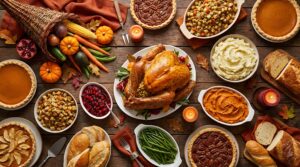
So, does turkey increase serotonin? While turkey provides tryptophan, an essential ingredient in serotonin production, its effects on brain serotonin depend on several physiological and dietary factors. Other traditional holiday foods also contribute valuable nutrients that support normal neurotransmitter function.
Ultimately, the sense of comfort and contentment associated with festive meals is unlikely to result from any single nutrient or neurotransmitter. It reflects a complex interaction between nutrition, sensory experiences, cherished traditions and human connection. Whether celebrating Thanksgiving, Christmas or another seasonal occasion, sharing a nourishing meal with loved ones can be a meaningful part of supporting both physical and emotional well-being.