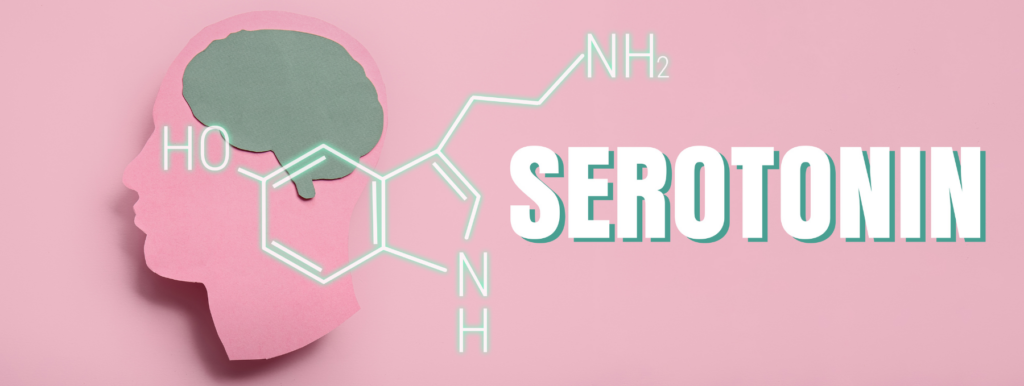

Serotonin is a neurotransmitter involved in regulating mood, sleep, appetite and several other important functions throughout the body. Because of its association with emotional well-being, many people are interested in learning how to boost serotonin naturally through diet, exercise and other lifestyle changes. However, the relationship between serotonin and mental health is more complicated than simply increasing the amount of this chemical in the brain. Although certain lifestyle habits may influence serotonin-related processes, scientists have not established that these activities consistently increase brain serotonin levels in humans. Many of these practices can still support mental and physical health through multiple biological pathways. Understanding what research suggests can help individuals make informed choices without relying on oversimplified claims about brain chemistry.
 Understanding Serotonin and Its Role in the Body
Serotonin, also known as 5-hydroxytryptamine or 5-HT, acts as a chemical messenger that helps nerve cells communicate. In the brain, it participates in regulating mood, sleep, appetite, pain perception and aspects of cognition. Its effects depend on the receptors and neural pathways involved, meaning serotonin can influence different processes in different ways.
Approximately 90% of the body’s serotonin is produced in the gastrointestinal tract, where it helps regulate intestinal activity. Brain serotonin is produced separately because serotonin circulating in the bloodstream cannot readily cross the blood-brain barrier. This distinction is important because increasing serotonin activity elsewhere in the body does not necessarily increase serotonin signaling in the brain.
Can Exercise Help Boost Serotonin Naturally?
Regular physical activity is one of the most widely recommended lifestyle strategies for supporting emotional well-being. Exercise influences several neurotransmitter systems, including pathways involving serotonin, dopamine and norepinephrine. Research suggests that physical activity may affect serotonin synthesis and signaling, although much of the direct evidence comes from animal studies.
Exercise also provides benefits that extend beyond neurotransmitter activity. Walking, cycling, swimming and other forms of aerobic activity can improve sleep quality, reduce stress and support mood. Even moderate physical activity performed consistently may contribute to better mental health, regardless of whether it produces measurable increases in brain serotonin.
Sunlight Exposure and Serotonin Function
Exposure to natural daylight helps regulate the body’s circadian rhythm, the internal timing system that coordinates sleep and wakefulness. Light reaches specialized cells in the eyes that communicate with the brain’s biological clock, helping synchronize daily physiological processes. Serotonin-related pathways also interact with circadian regulation, although sunlight’s effects on brain serotonin are not fully understood.
Some research has identified an association between sunlight exposure and markers of serotonin activity, but these findings do not establish that spending more time outdoors reliably raises brain serotonin levels. Morning daylight can nevertheless help reinforce healthy sleep-wake patterns and improve alertness. Spending time outdoors during daylight hours may therefore support overall well-being without requiring a direct serotonin-boosting effect.
Foods That Support Serotonin Production
Serotonin is synthesized from tryptophan, an essential amino acid that must be obtained through food. Tryptophan is found in protein-rich foods such as poultry, eggs, dairy products, fish, soybeans and legumes. The body also requires adequate nutritional support for the biochemical processes involved in neurotransmitter production.
Eating more tryptophan does not automatically result in higher brain serotonin levels. Tryptophan competes with other amino acids for transport into the brain, and serotonin synthesis is regulated by several additional factors. A balanced diet that provides sufficient protein, vitamins and minerals is therefore a more reliable nutritional goal than focusing on individual foods marketed as serotonin boosters.
 The Importance of Consistent, Restorative Sleep
Sleep and serotonin are closely connected through the brain networks responsible for regulating wakefulness and nighttime rest. Serotonin-producing neurons change their activity across the sleep-wake cycle, and serotonin also serves as a biochemical precursor to melatonin. Melatonin helps signal biological nighttime and contributes to the coordination of circadian rhythms.
Maintaining a regular sleep schedule can support these interconnected systems. Going to bed and waking up at consistent times, limiting bright light before bedtime and creating a comfortable sleeping environment may improve sleep quality. Although these practices do not necessarily increase serotonin levels, they support the biological processes that influence mood, energy and cognitive functioning.
Stress Management and Serotonin Signaling
Chronic stress can influence several brain signaling systems, including those involving serotonin. Stress hormones interact with neural pathways responsible for emotional regulation, sleep and behavioral responses. The relationship is complex, and researchers continue to investigate how prolonged stress affects serotonin signaling in different regions of the brain.
Practices such as mindfulness meditation, breathing exercises, yoga and spending time in nature may help reduce perceived stress and support emotional well-being. Some studies have explored whether these activities influence serotonin-related processes, but direct evidence of consistent increases in human brain serotonin remains limited. Their established benefits for stress management make them worthwhile approaches regardless of their specific neurotransmitter effects.
What About Supplements That Claim to Increase Serotonin?
Certain supplements, including 5-hydroxytryptophan (5-HTP) and tryptophan, are marketed as ways to increase serotonin naturally. These substances participate in serotonin synthesis, but their effects on mood and other symptoms are not consistently established by high-quality clinical evidence. Supplements can also produce side effects and interact with medications.
Combining serotonin-related supplements with antidepressants or other medications that affect serotonin can increase the risk of serotonin syndrome, a potentially serious condition caused by excessive serotonergic activity. Natural products are not necessarily harmless simply because they are available without a prescription. Anyone considering these supplements, particularly while taking medication, should consult a qualified healthcare professional.
Can You Tell If Your Serotonin Is Low?
Symptoms such as low mood, fatigue, sleep disturbances and changes in appetite are sometimes described as signs of low serotonin. However, these experiences can have many causes and cannot reliably establish that someone has insufficient serotonin activity in the brain. Depression and other mental health conditions are not explained by a single neurotransmitter deficiency.
There is also no widely accepted clinical blood test that can determine whether a person’s brain serotonin levels are low. Blood serotonin measurements do not accurately reflect serotonin signaling in the central nervous system. Persistent symptoms should therefore be evaluated in the context of overall physical and mental health rather than attributed automatically to a serotonin imbalance.
 How to Boost Serotonin Naturally: A Balanced Approach
Learning how to boost serotonin naturally begins with understanding that healthy brain chemistry depends on many interacting biological systems. Exercise, appropriate daylight exposure, balanced nutrition, consistent sleep and stress management can all support physical and emotional well-being. These habits may influence serotonin-related processes, but their benefits do not depend on proving that they increase serotonin levels.