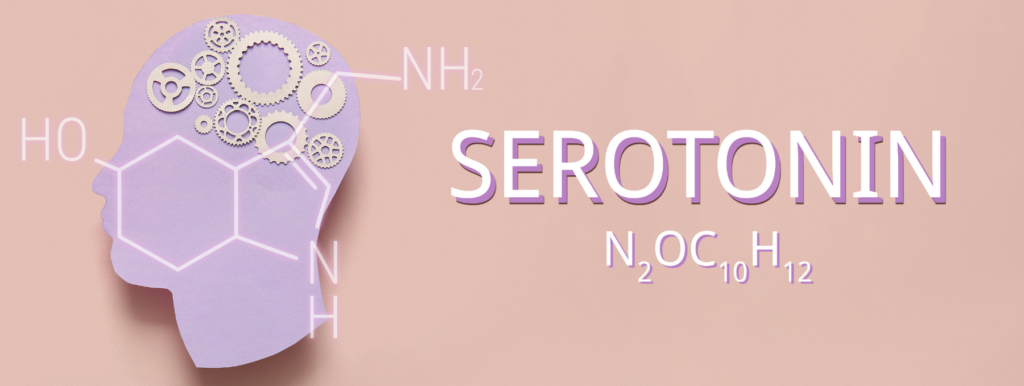

For many people, a morning cup of coffee is an essential part of the daily routine. Caffeine can increase alertness, improve concentration and temporarily reduce feelings of tiredness, but its effects on brain chemistry extend beyond these familiar benefits. Given serotonin’s involvement in mood, energy and sleep regulation, you may wonder: Does caffeine affect serotonin?
Although caffeine primarily acts on a different chemical messenger called adenosine, its effects can extend to several neurotransmitter systems, including those involving serotonin. These interactions may help explain why caffeine consumption influences emotional well-being and other aspects of neurological function. Understanding how caffeine affects the brain can help people make more informed decisions about their daily consumption.
How Caffeine Works in the Brain
 Throughout the day, a substance called adenosine accumulates in the brain as a byproduct of cellular energy metabolism. Adenosine binds to specific receptors, helping reduce neural activity and contributing to the increasing pressure to sleep during waking hours. This process is an important part of the body’s natural regulation of sleep and wakefulness.
Caffeine has a molecular structure that allows it to bind to certain adenosine receptors without activating them in the same way. By temporarily blocking these receptors, caffeine reduces adenosine’s sleep-promoting effects and increases alertness. This interference with adenosine signaling can also influence the activity of neurotransmitters involved in motivation, attention and emotional regulation.
The Relationship Between Caffeine and Serotonin
Adenosine helps regulate the release and activity of several neurotransmitters, including serotonin, dopamine and norepinephrine. When caffeine blocks adenosine receptors, it can alter the way these chemical messengers function within different regions of the brain. The resulting changes depend on factors such as caffeine dosage, receptor location and individual neurological responses.
Experimental research suggests that caffeine may influence serotonin release and signaling under certain conditions. Much of the direct evidence concerning these effects comes from laboratory and animal studies, making it difficult to determine precisely how ordinary caffeine consumption affects serotonin levels in humans. Drinking coffee should therefore not be considered an established method of increasing brain serotonin or correcting a presumed serotonin deficiency.
Why Caffeine Can Improve Mood
Many people experience a temporary improvement in mood after consuming caffeine, particularly when they are tired or having difficulty concentrating. Caffeine’s stimulating effects can increase feelings of alertness, motivation and mental energy. These changes may make everyday tasks feel more manageable and contribute to a greater sense of well-being.
While serotonin may participate in some of these responses, caffeine’s interactions with dopamine signaling are also important. Dopamine is involved in motivation, reward processing and attention, and its activity is influenced by adenosine receptors. Improvements in mood following caffeine consumption are therefore likely to reflect interactions among multiple neurological systems rather than an isolated increase in serotonin.
Can Too Much Caffeine Negatively Affect Mood?
 Although moderate caffeine consumption may improve alertness and mood, higher amounts can produce very different effects. Excessive caffeine intake may contribute to nervousness, restlessness, irritability, rapid heartbeat and feelings of anxiety. Individuals who are particularly sensitive to stimulants may experience these symptoms even after consuming relatively small amounts.
These responses can occur because caffeine increases activity within neural pathways involved in arousal and physiological stress responses. People with existing anxiety disorders may be especially susceptible to caffeine’s stimulating effects. Experiencing anxiety or irritability after drinking coffee does not necessarily indicate an underlying serotonin imbalance.
Caffeine, Serotonin and the Sleep-Wake Cycle
The relationship between caffeine and serotonin also extends indirectly to sleep regulation. Serotonin participates in neurological processes that coordinate sleep and wakefulness and serves as a biochemical precursor to melatonin. Caffeine, meanwhile, interferes with the adenosine signaling that helps the body recognize its increasing need for sleep.
Research has also demonstrated that consuming caffeine in the evening can delay the body’s natural melatonin rhythm. In one controlled study, caffeine equivalent to approximately two shots of espresso consumed three hours before bedtime delayed circadian melatonin timing by about 40 minutes. These findings suggest that late-day caffeine consumption may interfere with both sleep pressure and the timing of the body’s internal clock.
Does Regular Caffeine Consumption Change Brain Chemistry?
With regular caffeine consumption, the brain can gradually adapt to its repeated effects on adenosine signaling. This adaptation contributes to caffeine tolerance, which occurs when a previously effective amount produces a less noticeable stimulating response. Some coffee drinkers may consequently find themselves consuming increasingly larger amounts to achieve the same level of alertness.
Abruptly reducing caffeine intake after regular consumption can also produce temporary withdrawal symptoms, including headaches, fatigue, irritability and difficulty concentrating. These symptoms reflect the nervous system’s adaptation to caffeine rather than necessarily indicating depleted serotonin levels. Gradually reducing caffeine consumption may help minimize these effects while allowing the body to adjust.
Can You Drink Coffee While Taking Antidepressants?
Caffeine and commonly prescribed antidepressants influence brain chemistry through different primary mechanisms. Selective serotonin reuptake inhibitors (SSRIs), for example, inhibit the serotonin transporter, whereas caffeine primarily blocks adenosine receptors. Moderate caffeine consumption is not generally prohibited for everyone taking an antidepressant, although individual responses and potential medication interactions should be considered.
Certain antidepressants, particularly fluvoxamine, can slow the body’s breakdown of caffeine, potentially prolonging its stimulating effects. Caffeine may also aggravate symptoms such as insomnia, anxiety or restlessness that some individuals experience while taking antidepressants. Anyone experiencing these effects should discuss their caffeine consumption with their healthcare provider or pharmacist.
How Much Caffeine Is Too Much?
 According to the U.S. Food and Drug Administration (FDA), daily caffeine consumption of up to 400 milligrams is generally not associated with adverse effects in most healthy adults. This amount may be found in several cups of coffee, depending on the serving size and brewing method. Individual tolerance varies considerably, and lower amounts may be more appropriate for people with certain health conditions or sensitivities.
The timing of caffeine consumption can be just as important as the amount consumed. Research indicates that larger doses may interfere with sleep even when consumed many hours before bedtime. Paying attention to changes in sleep quality, mood and daytime energy can help individuals determine whether adjusting their caffeine habits might be beneficial.
Understanding Caffeine’s Effects on Serotonin and Overall Health
So, does caffeine affect serotonin? Research suggests that caffeine can indirectly influence serotonin signaling through its interactions with adenosine receptors and other neurotransmitter systems. Nevertheless, its familiar effects on alertness, motivation and mood cannot be attributed to serotonin alone. For many adults, moderate caffeine consumption can be part of a healthy daily routine without negatively affecting sleep or emotional well-being. The key is recognizing how caffeine dosage, timing and individual sensitivity influence these responses. Understanding caffeine’s broader effects on brain chemistry can help individuals enjoy its benefits while minimizing potential disruptions to sleep, mood and natural energy regulation.